Tuesday, 9 May 2023

Dental Flourosis : Symptoms, Causes And Treatments

Fluorosis is a condition that results in white or brown speckles on your teeth. It’s caused by overexposure to fluoride in the early years of life, when your permanent teeth are developing. Fluorosis is a cosmetic concern and isn’t harmful to your health. But there are treatments that can address the issue.

What is fluorosis?

Fluorosis is a cosmetic dental condition that’s characterized by white or brown spots on your teeth. These spots can range from tiny white flecks that are almost unnoticeable to dark brown patches that are clearly visible.

Who does fluorosis affect?

Dental fluorosis affects people who were overexposed to fluoride during their developmental years, before their permanent (adult) teeth grew in. Children aged 8 or younger are at risk for developing fluorosis. Teeth that have already erupted (grown in) can’t get fluorosis.

How common is fluorosis?

Flourosis is considered endemic in 17 states of India. Excess flouride in ground water is mainly the concern. About 62 million people are at risk. Prevalence of dental Flourosis in southern India has been reported to be on higher side.

Does fluorosis weaken teeth?

No. Dental fluorosis has no impact on oral health or function. In fact, people with fluorosis are actually more resistant to cavities. This discovery is what prompted health officials to introduce fluoride into public water supplies at a safe level. This means that public water supplies would have enough fluoride to help prevent tooth decay, but not enough to cause fluorosis. (Note: According to the Bureau of Indian Standards (BIS)  1 milligrams of fluoride per liter of water is the recommended level. Lesser the better.

What are the symptoms of fluorosis?

Tooth discoloration is the only symptom of fluorosis. Discoloration can vary depending on the severity of your condition. Dentists use the following terms to categorize fluorosis:

  • Questionable: A few very light white flecks and white spots.
  • Very mild: Light white areas covering less than 25% of your tooth surfaces.
  • Mild: Light white areas covering less than 50% of your tooth surfaces.
  • Moderate: White or light brown areas covering more than 50% of your tooth surfaces.
  • Severe: White, light brown or dark brown spots affecting all surfaces. Your teeth may also have pitting (small depressions in your tooth enamel).

In mild cases, tooth discoloration can be so slight that no one but your dentist would notice. But if fluorosis is having a negative impact on your confidence or self-esteem, cosmetic dental treatments can help.

What are the reasons for fluorosis?

Dental fluorosis happens when a child consistently ingests too much fluoride while their permanent teeth are still forming under their gums. This includes drinking heavily fluoridated water or swallowing fluoride toothpaste.

Dental fluorosis in adults doesn’t occur. It only affects teeth that are still developing under the gums.

How is fluorosis diagnosed?

Your dentist can diagnose fluorosis during a routine dental examination.

Does fluorosis go away?

Fluorosis stains won’t go away with brushing and flossing. The only way to get rid of fluorosis is with cosmetic dental treatments like dental bonding, veneers or crowns. These treatments are further explored in the section below.

How do you get rid of fluorosis?

There are cosmetic dental procedures that can address fluorosis. The treatment that’s best for you depends on several factors, including the severity of fluorosis, your budget and your own personal preferences. Common fluorosis treatments include:

  • Teeth whitening. Your dentist applies bleaching gel to your teeth for a predetermined amount of time. The gel lightens your tooth enamel so it blends in with fluorosis. While teeth whitening is an option for mild cases of fluorosis, other treatments may be more suitable for you.
  • Dental bondingDuring this procedure, your dentist uses tooth-colored composite resin to cover up fluorosis stains. Your teeth are then shaped and polished for natural-looking results.
  • Dental veneersMade from resin or porcelain, veneers are thin shells that adhere to the front surfaces of your teeth. Veneers are custom-made, so you’ll need to have dental impressions to achieve the correct fit and size.
  • Dental crownsLike veneers, crowns are custom-made. However, this type of dental restoration fits over your entire tooth. Your dentist will need to remove some of your natural enamel so the crown fits properly.
  • Enamel microabrasion. During this procedure, your dentist removes a small layer of enamel from your teeth. This helps eliminate many fluorosis stains. Often, your dentist will follow enamel microabrasion with teeth whitening to make the color of your teeth even more uniform.                                                                How can I reduce my child’s risk for fluorosis?
  • To reduce your child’s risk for fluorosis, be aware of how much fluoride they’re exposed to. Find out about water fluoridation laws in your area, or test your well water for fluoride levels. While you don’t want your child exposed to too much fluoride, you also want to make sure they get enough while their teeth are developing. The proper amount of fluoride is important for your child’s oral health.

    In addition, you should:

    • Make sure your child spits toothpaste out instead of swallowing it.
    • Limit your child’s consumption of sugary and acidic foods and beverages.
    • Practice good dental hygiene habits with your child.

    Visit your dentist at least every six months for routine dental check-ups.

  • What’s the outlook for people with fluorosis?

    Fluorosis isn’t harmful to your dental or overall health. From a medical standpoint, you don’t need to seek treatment. But if fluorosis is causing embarrassment or low self-esteem, cosmetic dentistry can dramatically improve your smile and boost your confidence.

  • When should I see my healthcare provider?

    If you’re embarrassed or self-conscious about fluorosis stains, schedule an appointment with your dentist. They can discuss your treatment options in detail.

    A note from Dr.Jha's Dental And Implant Center 

    Dental fluorosis is a harmless condition, but it can detract from the appearance of your smile. If tooth discoloration is causing embarrassment or low self-esteem, schedule a visit with your dentist. They’ll talk with you about your cosmetic goals and design a tailored treatment plan that works for you.


Friday, 28 April 2023

Tetracycline - Why It Made Teeth Grey

Tetracycline — Why It Made Teeth Grey

Smiling young woman on white backgroundWhen tetracycline was introduced over 60 years ago, people were thrilled to have another alternative antibiotic. While it was bad for bacteria, tetracycline also proved bad for the dentin in children’s teeth, causing a reaction that stained the patient’s teeth grey.

The first case of reported tooth discoloration in children occurred in 1956. Many, many other children had their teeth stained over the following decade before the connection was fully understood.

Teeth whitening can’t change this type of staining, as it is in the dentin of the teeth. At Dr.Jha's Dental and implant center , we use porcelain veneers to cover the effects of severe tetracycline staining.

Here’s some more information on tetracycline and staining.

Why did it turn teeth grey?

Tetracycline staining is tied to tooth mineralization. In teeth, mineralization is an ongoing process, where teeth continually lose (demineralization) and gain (remineralization) minerals such as calcium. When teeth lose more minerals than they regain, that is when decay sets in. Mineralization is especially active in young, growing teeth. Ingested fluoride has been proven to help in this process by strengthening the developing permanent teeth from within. Fluoride applied directly to the teeth helps to speed remineralization on the tooth surface.

Once it started showing discoloration, research looked into what tetracycline was doing to teeth. It showed that if the teeth were exposed to tetracycline at a time of tooth mineralization or calcification, the tetracycline bound to the calcium ions in the teeth. If this happens before the teeth erupt, the tetracycline that has bound to the calcium will cause the teeth to come out with an initial fluorescent yellow discoloration. Once these teeth are exposed to light, however, the tetracycline will oxidize, and the discoloration will change from fluorescent yellow to non-fluorescent brown or grey over a period of a few months to years.

The location of the discoloration will correspond directly to the stage of tooth development at the time of the tetracycline exposure. Permanent teeth tend to show the discoloration with less color, but it is more widespread across the tooth.

Tetracycline is limited in its timeframe for use

Once the link and timeframe were established, the FDA changed the rules on the use of tetracycline. Now the antibiotic is not to be used by doctors during the second and third trimesters of pregnancy or in children up to 8 years of age. These ranges are the periods of calcification of the teeth.

Why can’t I whiten my stained teeth?

You’d think that whitening, such as our in-office teeth whitening at Dr.Jha's Dental and Implant Center, would be able to brighten teeth that have become grey due to tetracycline. But whitening only works on the tooth enamel, the outer layer of the teeth that is somewhat porous and can take stains from foods and drinks such as berries and coffee or red wine. Teeth whitening has no effect on the interior of the teeth, just on the enamel.

The interior of the tooth, called the dentin, is where tetracycline affects the color. When the dentin is stained, this is permanent. It’s also why our teeth become more yellow with age, as the enamel wears down and more of the dentin shows through. Although you see claims of teeth bleaching fixing tetracycline discoloration, the dentin really can’t be whitened.

But it can be covered. That’s the idea behind porcelain veneers. A thin porcelain shell is placed over the visible front sides of the teeth to cover stains and imperfections. That’s how we can help with tetracycline-stained teeth at Pound Ridge.

If you have a tooth or a few teeth that tetracycline turned grey, call us and let’s talk about covering them with porcelain veneers. 

Thursday, 27 April 2023

Occlusal Disease : Diagnosis And Treatment


Occlusal disease is a very common disorder that affects how the patient bites down when chewing or speaking. A patient’s bite can have an impact not only on the patient’s dental health but also their overall well-being because bite-related problems can lead to chronic concerns like migraine headaches or teeth that have been worn down to the dentin. The most important thing that patients need to know about this disease is that it’s vital that it’s diagnosed early. Occlusal disease is a problem that can be cured with early detection and proper treatment. If you notice any of the symptoms of an improper bite outlined below, tell your dentist right away!

What is Occlusal Disease?

When a person’s bite is not properly aligned a destructive process occurs in the mouth and this is known as occlusal disease. Every time the teeth come together to chew or when the patient is speaking, there are forces that have a negative impact on the teeth and the jaw. Proper alignment of the teeth is important because it affects not only the health of the teeth themselves but the jawbone and the jaw muscles also. Problems that develop from having occlusal disease are extremely common. Occlusal disease is the most undiagnosed dental disorder that patients and dentists often fail to recognize. The disorder includes issues related to the teeth, jaw joint, and the muscles of the jaw or problems associated with all three.

At Dr. Jha's Dental and Implant center  we try to educate patients about occlusal disease to prevent the development of needless pain and difficulty caused by an improper bite. By learning a bit about how your bite can impact not just your dental health but your overall well-being, you can avoid some of the pitfalls of having occlusal disease and correct the problems before they become major issues.

Occlusal Disease Symptoms

We educate our patients at Dr.Jha's dental and implant center  about the symptoms of occlusal disease so they can take action to correct an improper bite as soon as possible. The symptoms associated with this disease are easy to identify:

  • Certain surfaces of the teeth may have excessive wear and tear. The enamel may get worn through to the dentin in areas where there is constant friction. Dentin is the layer of the tooth that is just underneath the enamel. Once dentin is exposed it may wear away faster than the enamel. In some patients, the front teeth may look smaller in appearance due to wear. In other patients, the back teeth may wear away and become flat.
  • Loose teeth are a sign of occlusal disease. At Dr.Jha's Dental and Implant center  when we see a patient who has teeth that have become loose and are moving, we immediately look for other signs of occlusal disease.
  • Teeth become sensitive to hot and cold.
  • Teeth may become sore after biting into food.
  • Teeth may become fractured easily.
  • Headaches are a common symptom of occlusal disease because the muscles that work the jaws may become sore and painful due to the misalignment of the bite.
  • The jaw joint may become inflamed or painful. Popping or clicking in the jawbone during speaking or eating is a common symptom of occlusal disease. In some patients, there is no pain even though there’s popping.

Occlusal Disease Treatment

Early diagnosis and treatment of occlusal disease is the best way to prevent damage to the teeth. When an improper bite is properly diagnosed before the disease has a chance to progress, treatment is relatively easy and less expensive solutions are possible.

At De.Jha's Dental and Implant center, we may do a mild reshaping of the teeth to restabilize the patient’s bite when occlusal disease is present. Restoration of the teeth that have been worn down may be necessary and orthodontic treatment to align the teeth and the jaw can be performed to not only correct the damage but to restore proper alignment. In some cases, a combination of teeth reshaping, restorations, and orthodontic work are necessary, but the most important key to preventing occlusal disease progression is to seek out a diagnosis and treatment early.

Before diagnosing occlusal disease at Dr.Jha's Dental and implant Center , we do a thorough exam to rule out other possible problems. Typically, doing an exam for occlusal disease is not part of a conventional dental exam so patients may continue to suffer in silence if they don’t bring the problem of worn teeth or pain and popping in the jaw to the attention of the dentist. Patients who have noticed these issues should be sure to mention them to the dentist in order to avoid causing more damage to the teeth and the jaw over time.

Our goal with occlusal disease treatment is to develop a plan that will lead to a comfortable and stable bite where the teeth, jaws, and muscles work together harmoniously. If left untreated occlusal disease will slowly worsen over time. The teeth will wear down faster than they should, and the patient may even lose their teeth early. Problems with the jaw muscles are inevitable and can continue to cause unnecessary discomfort. And with each passing year, the complexity and cost of treatment will increase.

Occlusal Disease Treatment

Early diagnosis and treatment of occlusal disease is the best way to prevent damage to the teeth. When an improper bite is properly diagnosed before the disease has a chance to progress, treatment is relatively easy and less expensive solutions are possible.

At Dr.Jha's dental and implant center , we may do a mild reshaping of the teeth to restabilize the patient’s bite when occlusal disease is present. Restoration of the teeth that have been worn down may be necessary and orthodontic treatment to align the teeth and the jaw can be performed to not only correct the damage but to restore proper alignment. In some cases, a combination of teeth reshaping, restorations, and orthodontic work are necessary, but the most important key to preventing occlusal disease progression is to seek out a diagnosis and treatment early.

Before diagnosing occlusal disease at Dr.Jha's dental and implant center, we do a thorough exam to rule out other possible problems. Typically, doing an exam for occlusal disease is not part of a conventional dental exam so patients may continue to suffer in silence if they don’t bring the problem of worn teeth or pain and popping in the jaw to the attention of the dentist. Patients who have noticed these issues should be sure to mention them to the dentist in order to avoid causing more damage to the teeth and the jaw over time.

Our goal with occlusal disease treatment is to develop a plan that will lead to a comfortable and stable bite where the teeth, jaws, and muscles work together harmoniously. If left untreated occlusal disease will slowly worsen over time. The teeth will wear down faster than they should, and the patient may even lose their teeth early. Problems with the jaw muscles are inevitable and can continue to cause unnecessary discomfort. And with each passing year, the complexity and cost of treatment will increase.

Occlusal Disease Treatment Results

Patients who have had occlusal disease diagnosed early can expect to be prescribed some fairly straightforward treatment options. People who have had the occlusal disease for a longer period of time will most likely require orthodontic care to correct the problem which takes longer and costs more than the treatment of occlusal disease that has been diagnosed early.

Treatment results are often excellent. The dentist may alter the teeth just slightly to create a more comfortable bite. Or custom restorations could be designed to add volume to teeth where it’s needed. Only the most severe cases of the occlusal disease require orthodontic treatment! And since this is a disease that worsens over time, it’s essential that the patient notes that a problem exists and tells the dentist immediately so treatment can begin before the teeth become excessively worn down or even lost. Without intervention, occlusal disease will inevitably lead to bigger dental problems down the road which is why we always try to make this diagnosis early.

Tuesday, 24 January 2023

Time For Bharat

Time For Bharat
A Researched Conversation On Governance

Authors : Arun Ganesh , Srinath Sridharan
Publisher: Notion Press
Price : 350 INR
Pages : 454
Format : Kindle
Buy : Amazon India
Genre : Ideologies and doctrines
Rating : 4/5 Stars

Blurb :
India in its 75th year, can proudly recall its rich civilisational legacy and its march towards a thriving, vibrant democracy. “Time for Bharat”, appropriately titled, delves into the governance structures imperative for key sectors to catapult our nation into the super power league. A body of impressive work by 19 contributors - rank professionals with deep insight and wisdom. A must read by Bharatwasis.
Yashovardhan Azad, Retd IPS,

Review : 
Book is thought provoking and insightful exploration of the importance of good governance and its role in shaping our Bharat , lives and our world. There are 17 chapters which covers a wide range of governance issues right from 1.Civilisational Narrative for Bharat 2. Transforming Governance 3. Governance of the Economy or Economic Governance? 4. Governance of Education 5. Governance of Healthcare 6. Agricultural Governance 7. Urban Governance 8. Governance of Industry and Trade 9. Financial Services Governance 10. Taxation Governance 11. Technology Governance 12. Our Planet, Our Life 13. Energy Governance 14. Governance of Internal Security 15. Foreign Policy, Defence and Strategic Governance 16. A new constitutional and legal order for Bharat 17. Administrative Governance. Book not just articulate the issues but attempt to offer some solutions also. Though some parts are slow, this book is necessary. The language of the book is simple and easy to understand. 
Highly recommended for Bharatwasi. 

Wednesday, 4 January 2023

The Tiger Throne

The Tiger Throne

( Kalki's Ponniyin Selvan Retold )

Author : Preetha Rajah Kannan
Publisher : Jaico Books
Price : 799/- INR
Buy : Amazon India
Format : Paperback
Genre : Historical Fiction

Rating : 5/5 Stars

Blurb :The Chola kingdom needs a strong ruler and the Tiger Throne a new master.

Rival factions stake their claim to the Chola throne as a power struggle ensues with Emperor Sundara Chola’s failing health.

The air is thick with political intrigue. On one side stands Prince Madurandaka, supported by the ruthless Pazluvur chieftains. On the other is Prince Arulmozlivarman, the future Raja Raja Chola, one of the greatest emperors in Indian history. The Pazluvur chieftains take the emperor hostage and civil war looms over the Chola kingdom.

History and fiction merge to weave a story of vengeance and romance, disguised princes and beautiful princesses, secret passages and dark dungeons, evil sorcerers and master spies…

Who will emerge victorious in this dangerous and thrilling game to seize the throne?

Review :

The book is a historical fiction that revolves around the chola Kingdom. The book has everything political rivalry, romance , friendship and vengeance which makes this book a good read. The book is wonderfully written, story is engaging and cover page of the book is apt to the story. The story is awesome, the character development and use is unreal. Every character moderation and reasoning is spot on. Every character has something to contribute. The book is a perfect length though close to 700 pages not a single line is wasted. Every possible loose end is tied up. The language of the book is simple and easy to understand. For the first time in my life I wish I could give an author more than 5 star. Looking forward for more such reads.


Thursday, 29 December 2022

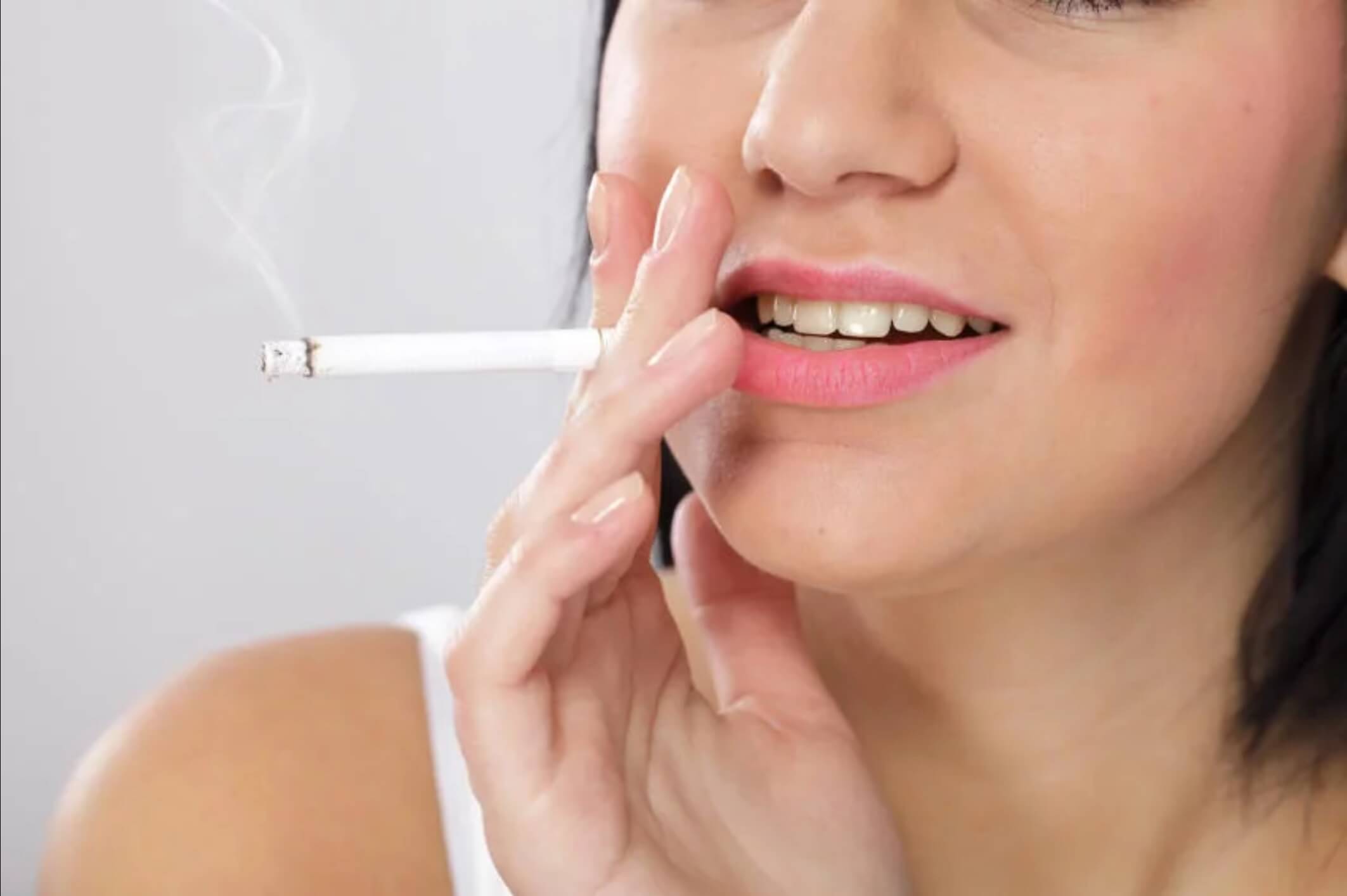
Tooth Extraction And Smoking

Can I smoke after tooth extraction?
Smoking after tooth extraction can delay healing and cause infection called dry socket

Tooth extraction is an invasive procedure. It involves removing the entire tooth which is most likely to be infected. Tooth removal involves removing the entire tooth including its roots. At the end of the extraction, the dentist ensures that there are no remnants or fragments of the tooth that are left in the socket.


During the removal of the tooth, the rupture of the blood vessels surrounding it results in the filling of the tooth socket with blood. It takes nearly 7 to 10 days for this blood to clot and ultimately heal. Soon after a new bone is laid underneath.


It is important to note that the habit of smoking can lead to an increase in the level of carbon monoxide in the blood. This is a significant piece of information as it has a direct effect on the healing process that follows tooth removal. Smoking leads to an increase in the blood pressure which further delays the healing mechanism. Moreover, the heat generated from smoking does not let the clot to thrive which completely complicates the closing of the socket. It causes a decrease in the oxygen content and all the nutrients that are necessary for the clot to form.


When smoking comes in the way of the clotting of the blood after tooth removal, delay of the wound closure is not the only thing that is affected. This delay is more often accompanied by uncomfortable sensations and throbbing pain. As mentioned before, extraction of the tooth leads to the pooling of the blood in the socket. This is actually a defense mechanism as certain constituents of the blood protect the exposed nerves that are present in the socket. Smoking causes the pooled blood and later the forming clot to dry up at rapid rates. This leads to the nerves being completely open for painful stimuli. The condition is called dry socket and it is even more painful than the root cause for which you got the tooth removed for.


A dry socket is not only painful but can also make mouth opening difficult. It can be a nidus for foul breath coming from the mouth. Besides, a dry socket caused due to smoking can be even more painful since the toxins present in the tobacco can adversely damage the gums, the ligament holding the tooth and eventually lead to inflammation. Since a dry socket is vulnerable to infectious microbes, the region of the extracted tooth in the jaw bone might develop an abscess. An abscess can manifest as a swelling and cause severe pain as it invades the tissues.


Smoking after the removal of the tooth is absolutely prohibited at least for the next 72 hours. People addicted to smoking can resort to nicotine patches if at all they find it difficult to control their urge. If at all people do smoke after tooth removal, they can later hold warm saline water in their mouth for a few minutes. However, this method won't make much difference. Hence, it is better to completely keep away from smoking.


The more time smokers give their oral cavity in the healing process, the faster will the clot develop and heal. The safest way to resume smoking is by looking in the mirror and seeing if the gingiva has started to heal. This will also give an idea on how much the socket has closed. In fact, a better way to utilize this period can be by making it a starting point to quit smoking altogether. Considering from a dental health point of view, smoking is what can be the reason for the extraction of the tooth. This is because the inflammation of the tooth's surrounding tissues can lead to the regression of those tissues, making the tooth movable and prone to infections.


Thus, when it comes to smoking after tooth extractions, one can either patiently wait for 3 to 10 days before resuming or consider the wait as a blessing in disguise and give up on the injurious habit of smoking. We at Dr.Jha's Dental do not recommend smoking as its adverse effects are not only restricted to the oral cavity but also the vital organ systems.


facebook sharing button
twitter sharing button

Tuesday, 18 October 2022

Maya

Maya

I bow to thee, You cannot be overcome

Author : Acharya Prashant
Publisher : Jaico Books
Pages : 336
Price : 399/- INR
Genre : Spirituality
Buy : Amazon India
Rating : 4/5 Stars

Blurb :
Is Maya a sly antagonist determined to keep us shackled in our own inner chains? Or is she another name for the game of life, where we could be a master player or a hapless pawn?

Be it the common man who finds Maya synonymous with materialism, or the spiritual man who accords Maya some esoteric imagery, all fail to comprehend her. She is elusive by definition.

Spirituality today has largely become another form of entertainment. However, Acharya Prashant takes us towards a genuine understanding of Maya as she plays out in our daily lives. Drawing on Vedantic seers and philosophers from all ages he makes ageold wisdom accessible in a modernday context. If you have the courage to let go of your old beliefs, willingness to pay the price for an authentic life and love for the naked truth, this book is for you.

TO BE FREE OF HER, SET HER FREE

Review :
Spirituality is a warfare isn't always an easy topic to discuss and explain but author Archarya Prashant does a good job of walking through the scriptures and answering the life questions. Maya is a book geared to help people discover the meaning of spirituality. The author illustrated his points in such clear, easy to understand ways that really helped you to grasped the thing he said. The cover and title  of the book is apt to the content of the book. Highly recommend.